Emergency Electrical Repairs After Storm Damage in Manchester, NH
When a storm knocks out the lights, the first question is often how soon power will return. But fallen branches, water intrusion, and damaged electrical equipment can leave problems that remain after the neighborhood is reconnected. Knowing who to call—and what to leave alone—helps you take the next step safely.
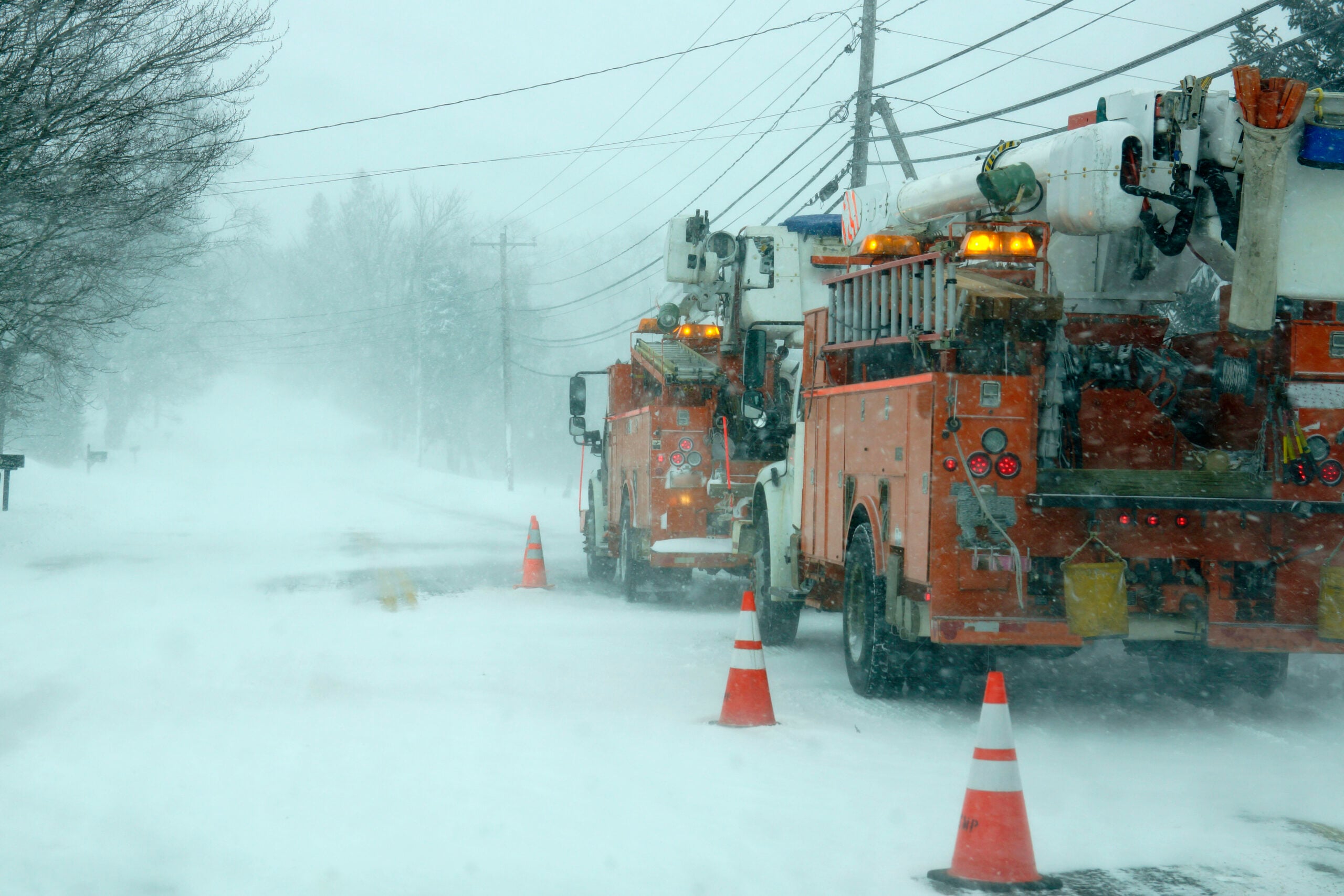
Cote Electric provides emergency electrical services in Manchester, NH, and surrounding communities. If you suspect storm damage at your home, call (603) 825-5975 to describe the situation and confirm service availability. For an immediate danger, such as fire or a fallen power line, contact emergency services first.
Put Safety Before Troubleshooting
Stay away from fallen wires and anything touching them, including branches, fences, and standing water. Assume every downed line is energized. Report it to the utility; call 911 if there is an immediate hazard. Do not attempt to move a wire or clear nearby debris.
Avoid flooded spaces where electrical equipment may be present. Do not touch a panel or breaker while wet or standing on a wet surface. Have a qualified electrician inspect flood-damaged wiring and equipment before reuse. These precautions follow ESFI’s electrical disaster-safety guidance.
If you see smoke, active sparking, or fire, move away and call 911 from a safe location. Do not open electrical equipment or try to investigate the source yourself.
Is It a Utility Outage or Damage at Your Home?
A neighborhood outage and a damaged home electrical system can happen at the same time. Report lost service through your utility’s outage channel and follow its restoration updates. Cote cannot provide a restoration time for the utility’s network.
If nearby homes have power but yours does not, or you notice damage around your electrical service equipment, explain those observations to the utility and an electrician. Avoid approaching damaged equipment to get a closer look. The utility and electrician can help establish which parts need attention and who is responsible for the work.
Power returning to the street does not confirm that storm-damaged equipment inside your home is safe. An assessment may still be necessary before affected circuits or equipment are used again.
Electrical Warning Signs After a Storm
Some damage is obvious. Other problems first appear when equipment is used after the weather clears. Contact a qualified electrician if you notice:
- New flickering, unusually bright or dim lights, or partial loss of power.
- A burning odor, discoloration, or unusual buzzing near electrical equipment.
- Breakers that repeatedly trip after the storm.
- Visible damage to exterior electrical equipment or wiring.
- Water intrusion around outlets, panels, or other electrical components.
These symptoms do not identify a single cause. Avoid repeatedly resetting a breaker to see whether the problem goes away. Describe what happened and leave diagnosis to a professional. Cote’s electrical repair services address problems with the home’s electrical system once conditions are safe for assessment.
What to Expect From a Storm Damage Assessment
When you call, provide your service address, whether power is fully or partly out, and what you have observed from a safe location. Mention water entry, fallen branches, damaged exterior equipment, and whether the utility has already been contacted. You do not need to remove covers or approach a hazard to collect information.
The electrician’s findings determine the repair scope. Depending on the damage, the work may involve wiring, connections, electrical panel equipment, or other affected components. Ask which areas should remain unused, what must be repaired or replaced, and whether utility coordination or inspections are needed before service is restored.
Storm conditions, safe access, available equipment, and coordination requirements can affect timing. Request an explanation of the proposed work and scheduling for your property rather than assuming every outage has the same solution. Keep repair documents and any photos you can safely take for your records.
Use Backup Power Carefully
A generator can support selected loads during an outage, but it does not repair damaged wiring. Follow the equipment instructions and have damaged or malfunctioning equipment assessed.
Portable generators belong outdoors, at least 20 feet from the home, with exhaust directed away from doors, windows, and vents. Never run one in a garage or feed house wiring by plugging it into a wall outlet. See CPSC’s winter power outage guidance for preparation and generator safety.
If your existing backup system has a fault or will not operate normally, explore Cote’s generator repair services. Tell the team the equipment model and displayed warning, without opening electrical compartments or attempting repairs yourself.
Questions About Storm Damage Repairs
Should I call the utility or an electrician first?
Report an outage or downed line to the utility. Call 911 for immediate danger. An electrician can assess damage to the home’s electrical equipment and explain when coordination with the utility is needed.
Can I use equipment once it looks dry?
Appearance alone does not establish safety after water damage. Arrange professional assessment before putting affected electrical equipment back into service.
Does Cote offer emergency electrical service?
Cote advertises 24/7 emergency electrical service for Manchester and surrounding areas. Call with your address and symptoms to confirm availability and the next steps. An online request should not replace calling for an urgent hazard.
Arrange Emergency Electrical Repairs in Manchester
If a storm leaves you concerned about your home’s electrical system, call Cote Electric at (603) 825-5975. For non-urgent follow-up after the immediate hazard has been addressed, request service online. Share what you observed, any utility instructions, and details of existing backup equipment so the team can prepare for the assessment.