Why Do Summer Storms Cause More Power Outages Than You Think in New England?
When most people in Manchester, Hudson, and across Southern New Hampshire think about power outages, their minds go straight to February ice storms or nor’easters that pile snow on the power lines. Winter storms are real and damaging. But summer? That’s supposed to be the easy season.
Here’s the truth: summer storms knock out power across New England far more often, and far more unpredictably, than most homeowners realize. And because most people aren’t prepared for a July blackout the way they are for a January one, the disruption hits harder.
At Cote Electric, we’ve been serving Manchester, Hudson, and communities throughout South and Central New Hampshire, and Southern Maine since 1987. We’ve seen firsthand what summer storms do to local homes and electrical systems. This post breaks down why summer outages are so common, why they’re getting worse, and most importantly, what you can do right now to protect your home.
The Surprising Truth About Summer Storm Outages
Most people assume power outages are a winter problem. But severe weather, including thunderstorms, high winds, and heavy rain, actually accounts for 58% of all major weather-related power outages in the United States, according to Climate Central’s analysis of federal utility data. Winter storms represent just 23%. Summer thunderstorm season is, by far, the primary driver of outages nationwide.
The Northeast is no exception. Climate Central’s research found that the Northeast experienced 346 major weather-related outages between 2000 and 2023, with severe weather (not winter storms) responsible for the majority.
In New Hampshire, that reality plays out every single summer. Just this past June 2026, a fast-moving thunderstorm left more than 20,000 customers without electricity statewide at its peak, with communities like Derry, Manchester, Bedford, Londonderry, and Merrimack all reporting significant outages. The month prior, a separate storm system knocked out power to more than 18,200 customers in the Granite State in a single morning event.
These aren’t freak occurrences. This is summer in New England.
Why Summer Storms Hit the New England Grid So Hard
Several forces converge during the summer months that make outages both more likely and harder to predict.
1. Trees Are in Full Leaf, and Full Force
This is the single biggest factor. Eversource, New Hampshire’s largest utility provider, has stated that trees cause more than 90% of power outages during storms across their service territory. In winter, bare trees snap, but their contact with power lines is more predictable. In summer, trees are carrying the full weight of their leaves, which dramatically increases wind resistance and the likelihood of large branches and entire trees coming down across lines.
New England’s density of mature hardwoods along older residential streets in Manchester, Hudson, and throughout Hillsborough County is beautiful. It’s also a structural vulnerability every storm season.
2. Thunderstorm Intensity Has Increased
New England summers have grown stormier. Warmer, more moisture-laden air moving up from the Gulf creates the atmospheric instability that produces powerful, fast-moving thunderstorms with wind gusts well above 58 mph, the threshold at which power lines and poles are at serious risk of damage. The National Weather Service flagged wind gusts up to 65 mph in some areas during the May 2026 storm system that battered New Hampshire simultaneously.
Microbursts are concentrated, violent downdrafts that can topple entire sections of electrical infrastructure in a matter of seconds. They’re especially dangerous precisely because they’re largely unpredictable.
3. Lightning Creates Invisible Damage
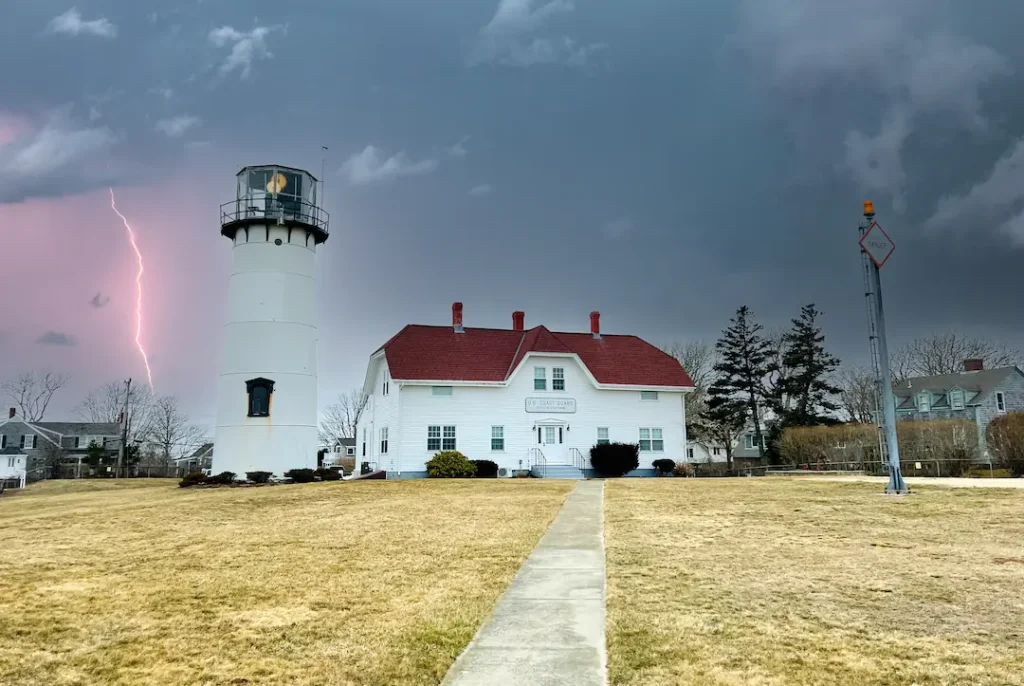
Thunderstorms don’t just knock down trees. Lightning creates electromagnetic pulses that can damage sensitive electrical equipment even without a direct strike. Transformers can be overloaded and fail. Surges can travel through your home’s wiring and fry appliances, electronics, and HVAC systems before you even know a storm is serious.
This is one of the most underappreciated risks of summer storms, and it’s why whole home surge protection is one of the most valuable investments a New Hampshire homeowner can make, whether or not you already have a generator.
4. Grid Stress from Summer Heat
Summer outages come from two directions at once. Beyond storm damage, heat waves push energy demand to its seasonal peak as millions of air conditioners run simultaneously. The Department of Energy has specifically flagged extreme weather events and grid stress as increasing factors in outage frequency. When the grid is already strained by high demand and a storm rolls in, the combination is particularly disruptive.
The New England ISO grid faces this precise challenge every summer: a mix of moderate heat and severe weather events that compound grid stress in ways that are fundamentally different from other regions of the country.
5. Aging Infrastructure Wasn’t Built for This
Much of New England’s electrical grid was originally installed between the 1950s and the 1970s, putting many transmission lines and distribution components at or beyond their expected service lifespan. Those above-ground utility poles, transformers, and overhead lines were engineered for the weather patterns of decades past. They were not built for the more intense, more frequent storm events that characterize the region today.
In communities throughout our service area, including Manchester, Nashua, Hudson, Salem, and into Southern Maine, that aging infrastructure is a constant variable in every summer storm season.
What Happens Inside Your Home During a Storm Outage
A summer power outage isn’t just an inconvenience. Depending on how long it lasts and what’s running in your home, the consequences can range from costly to genuinely dangerous.
Sump pump failure is a leading concern during summer storms. If your power goes out during a heavy rain event, exactly when your sump pump needs to be running, you can face serious basement flooding within hours.
Food loss accumulates quickly. A refrigerator maintains safe temperatures for roughly 4 hours once power is lost; a freezer, 48 hours if full. A multi-day outage following a major storm can mean hundreds of dollars in spoiled food.
HVAC shutdown during a heat wave can create dangerous conditions, especially for elderly residents and young children. New Hampshire summers can push temperatures into the 90s, and a home without air conditioning or fans becomes unsafe quickly.
Surge damage on restoration is another hidden risk. When power is restored after an outage, voltage fluctuations and surges travel through your home’s wiring. Without whole home surge protection in place, sensitive electronics, smart appliances, and HVAC systems are all vulnerable to damage at the exact moment power comes back on, not just while it’s out.
Electrical panel stress from repeated outage cycles can accelerate wear on breakers and connections, especially in older homes. If your panel is already aging, summer storm season is when problems that have been slowly developing tend to surface.
The Real Solution: Stop Waiting for the Grid
The most important shift in thinking you can make as a New England homeowner is this: stop treating power outages as an if and start treating them as a when.
The two most effective steps you can take are also the two most impactful in terms of protecting your home, your family, and your appliances.
Step 1: Install a Standby Generator
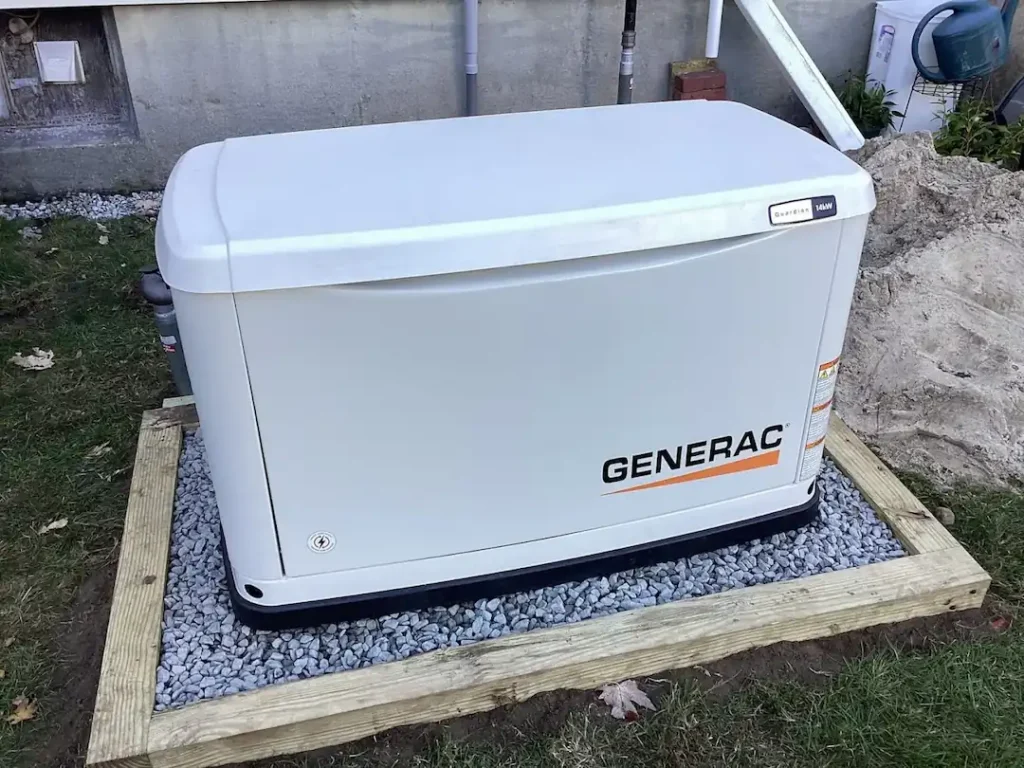
A standby generator installation is the most complete protection against any outage, whether it hits in summer, winter, or any season in between. Unlike portable units, a whole home standby generator is permanently installed, connected to your natural gas or propane supply, and activates automatically within seconds of a power interruption. You don’t need to be home. You don’t need to pull it out of a garage. It simply turns on.
Cote Electric is a Generac Power Pro Premier dealer, one of the highest designations Generac awards to installation partners. Our team handles the full process from Generac generator selection and permitting through installation and ongoing generator maintenance. Explore whole home generators to understand what size and configuration is right for your home.
Step 2: Add Whole Home Surge Protection
Even with a generator, whole home surge protection is a separate, essential layer of defense. A surge protection device installed at your electrical panel guards everything connected to your home’s wiring: every appliance, every smart device, every HVAC system, from the voltage spikes that occur both during storms and when utility power is restored afterward.
These devices are relatively affordable, professionally installed in a single visit, and provide protection that power strips and individual surge protectors simply cannot match at the system level.
Signs Your Home May Already Be at Risk
Before the next storm season rolls in, there are warning signs worth paying attention to:
- Circuit breakers that trip frequently, especially under normal load
- Flickering or dimming lights that aren’t tied to a specific appliance
- Outlets that feel warm to the touch or show any discoloration
- A panel that’s 20+ years old and hasn’t been professionally evaluated
- No whole home surge protection currently in place
- No backup power plan if the grid goes down for 24–72 hours
If any of those apply to your home, an electrical safety inspection is the right starting point. A licensed inspection gives you a clear picture of your home’s current electrical health, identifies vulnerabilities before they become emergencies, and helps you make informed decisions about upgrades and protection.
When a Storm Has Already Hit: Emergency Services
Sometimes a storm takes you by surprise. If you’ve experienced electrical damage from a tree strike, flood intrusion into electrical components, a breaker panel that won’t reset, or any wiring that looks or smells burned, don’t wait.
Cote Electric offers emergency electrical services for exactly these situations. Our licensed electricians arrive prepared to diagnose and resolve electrical problems safely, and most repairs are handled the same day. We’re available 24/7, because storms don’t wait for business hours.
Call us at (603) 825-5975 anytime.
Why New Hampshire Homeowners Trust Cote Electric
Since 1987, Cote Electric has built a reputation in Manchester, Hudson, and throughout Southern New Hampshire on a straightforward promise: Power you can count on, comfort you can trust.
We’ve earned the 2025 Angi Super Service Award, a recognition reserved for home service professionals who consistently deliver exceptional workmanship and customer care. As a Generac Power Pro Premier dealer, we’re equipped to handle generator projects of every scale with factory-backed expertise.
Every job we do comes with a 100% customer satisfaction guarantee. We also offer financing through Synchrony for qualifying generator and electrical projects, making it easier to get the protection you need without having to wait. And if a neighbor, family member, or friend referred you to us, ask about our $100 Refer a Friend Program.
Read what your neighbors are saying on our customer reviews page.
Don’t Let the Next Storm Catch You Off Guard
Summer storms in New England aren’t slowing down. The trees are full, the grid is under strain, and the next round of thunderstorms is already working its way up the coast. The time to prepare isn’t after the outage. It’s now, while the lights are still on.
Whether you’re ready to explore a standby generator, want to schedule an electrical safety inspection, or have questions about surge protection for your home, contact Cote Electric today. Our team serves Manchester, Hudson, and communities throughout South and Central New Hampshire, and Southern Maine.
Power you can count on. Comfort you can trust.
Call us at (603) 825-5975 or book a visit online.